SENLAN / MANUFACTURING CAPABILITIES
Precision is
a process.
From your drawing to the features that fit.
CNC machining · EDM & Wire EDM · Precision grinding
FOUR CONNECTED CAPABILITIES
The feature comes first.
The route follows.
Choose the process closest to your component. Each guide connects the feature, the equipment and the information needed for review.
GEOMETRY / ACCESS / FIT / MATERIAL
01 / GEOMETRY & DATUMS
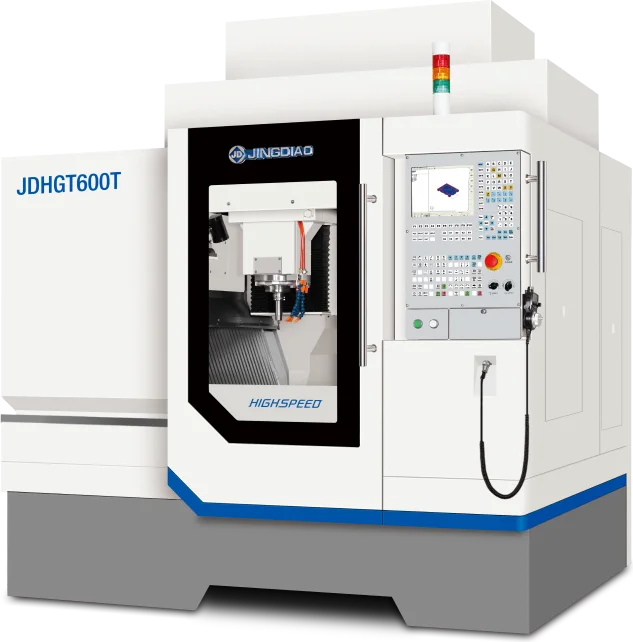
Series reference image · not a photograph of the installed machine
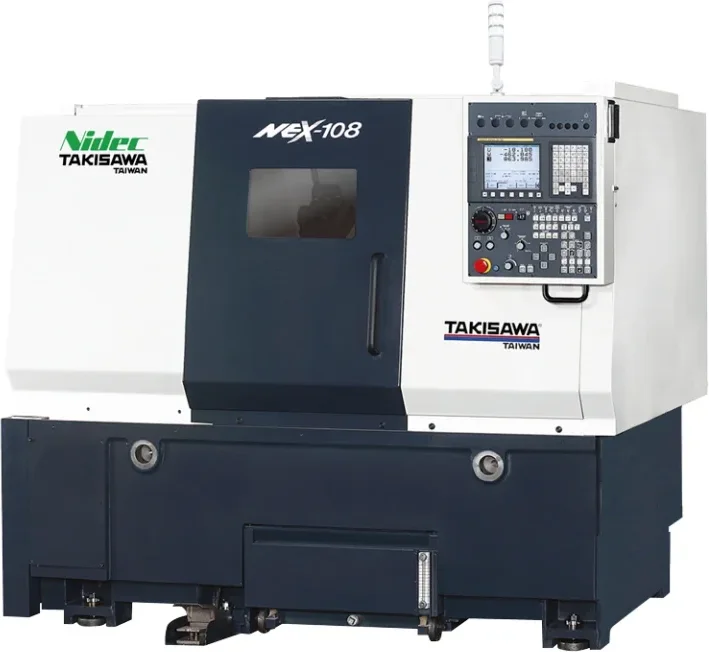
Manufacturer reference image · exact project setup follows drawing review
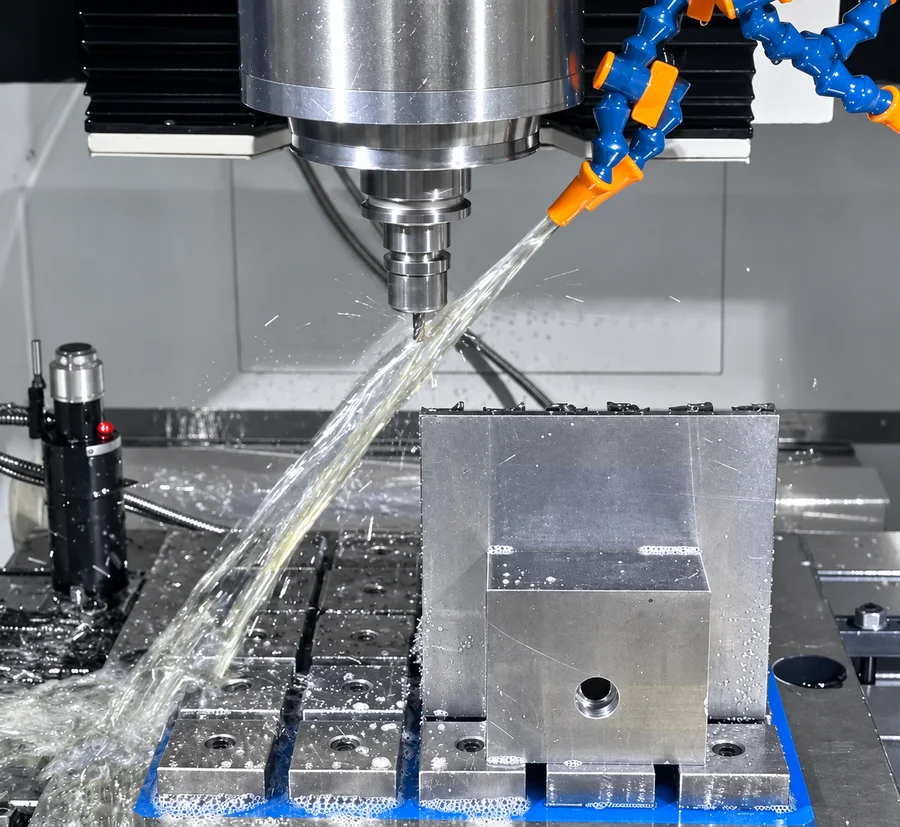
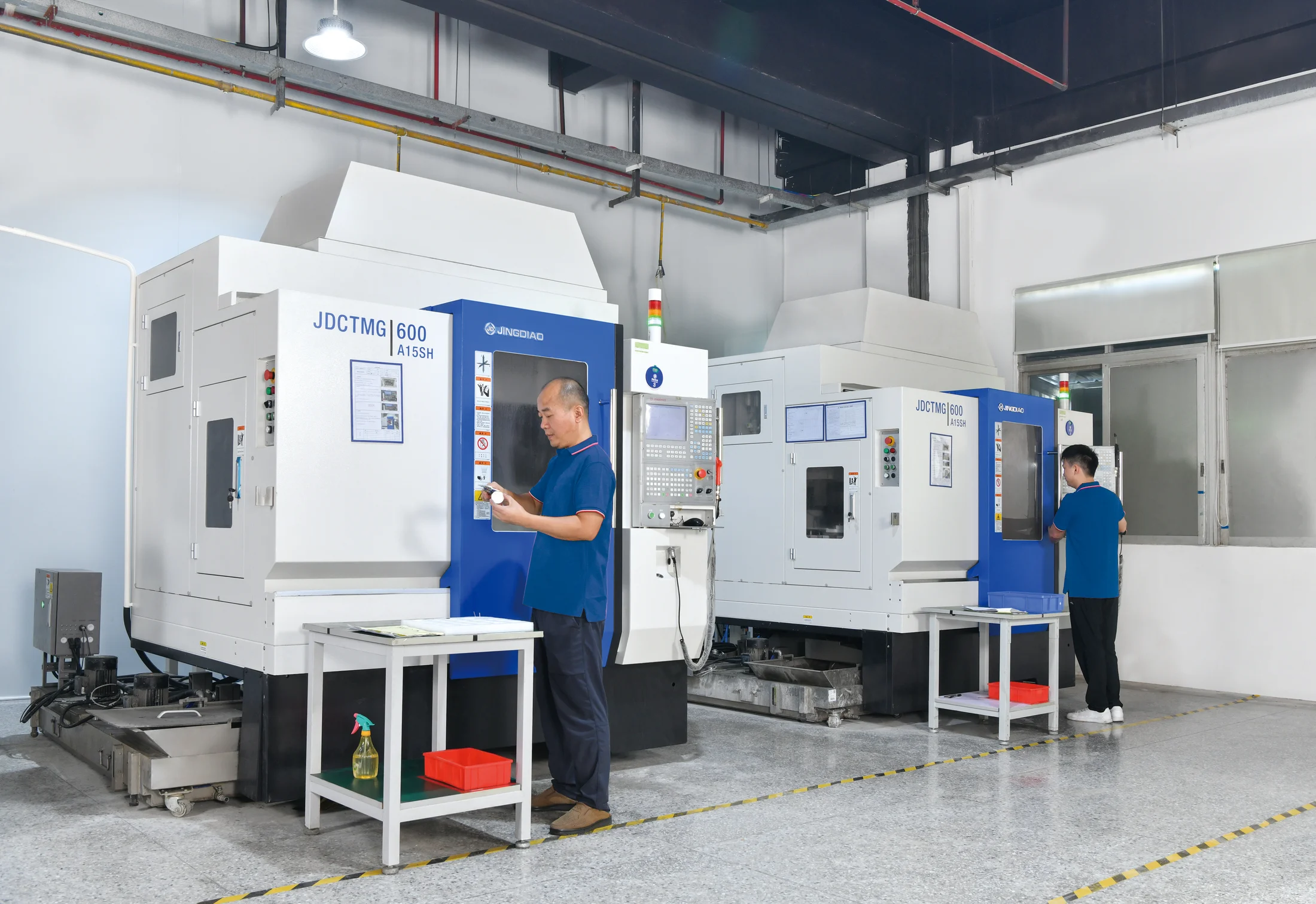
Machining photograph · independent process reference
Establish the geometry.
Keep the reference.
CNC milling and turning for custom mold inserts, cores and sleeves. Review pockets, contours, related diameters and the datums needed by the next operation.
CNC milling CNC turning
02 / ACCESS & DETAIL
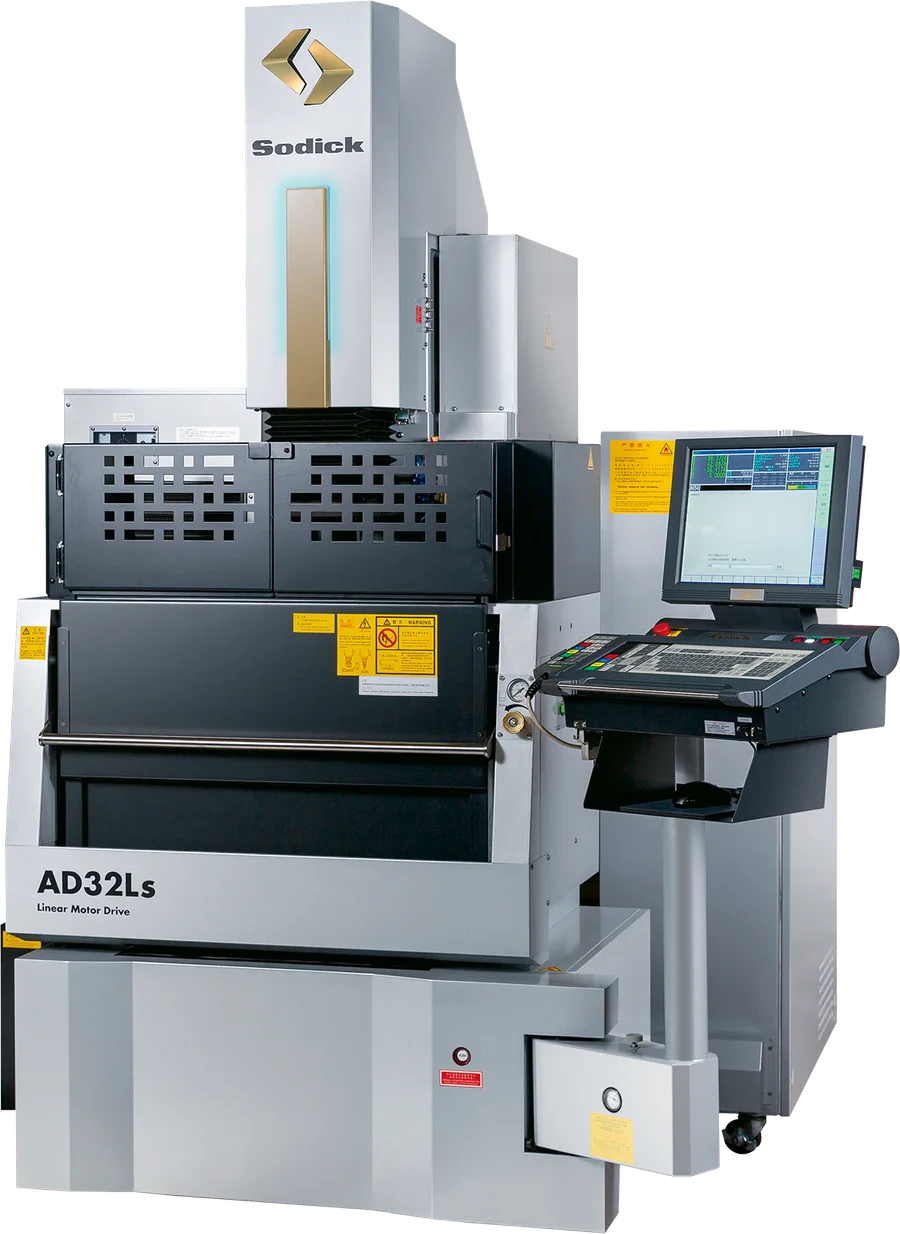
Equipment appearance reference · not an installed-machine photograph or capability guarantee
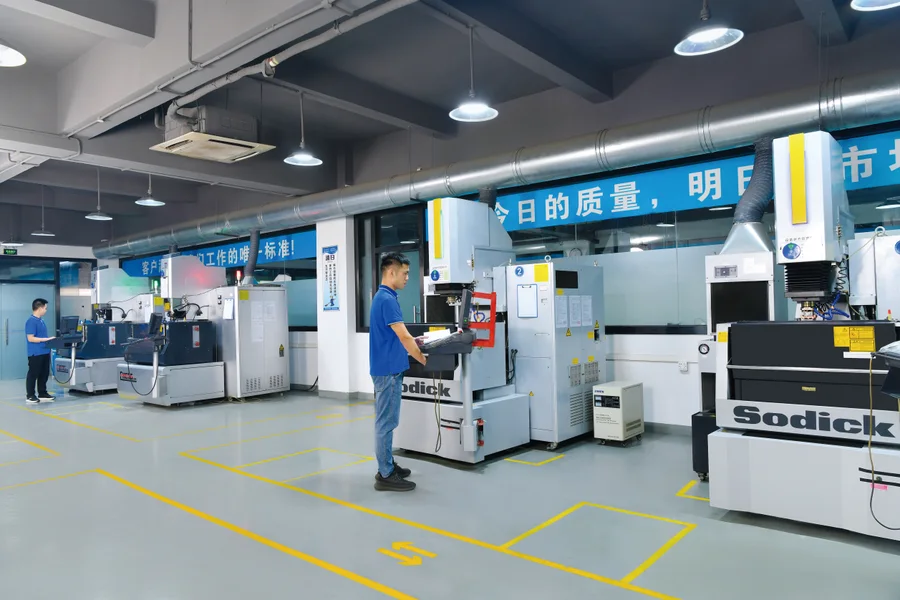
Existing EDM workshop photograph · independent equipment reference
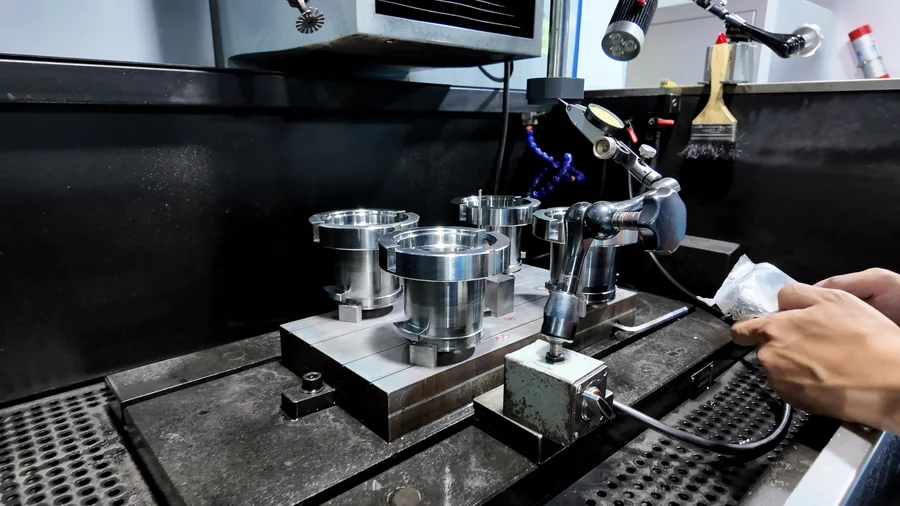
EDM setup photograph · independent process reference
Reach the detail.
Define the contour.
Sinker EDM for blind cavities and local forms. Wire EDM machining for through profiles and fitting contours. Access, corner radii and surface requirements guide the route.
Sinker EDM Wire EDM
03 / SURFACES & FITS
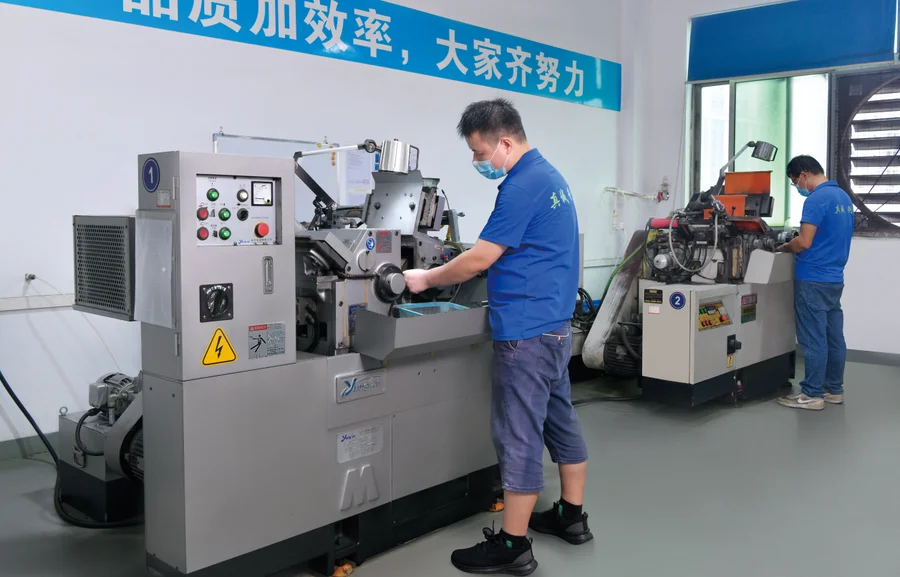
Existing workshop photograph · independent process reference
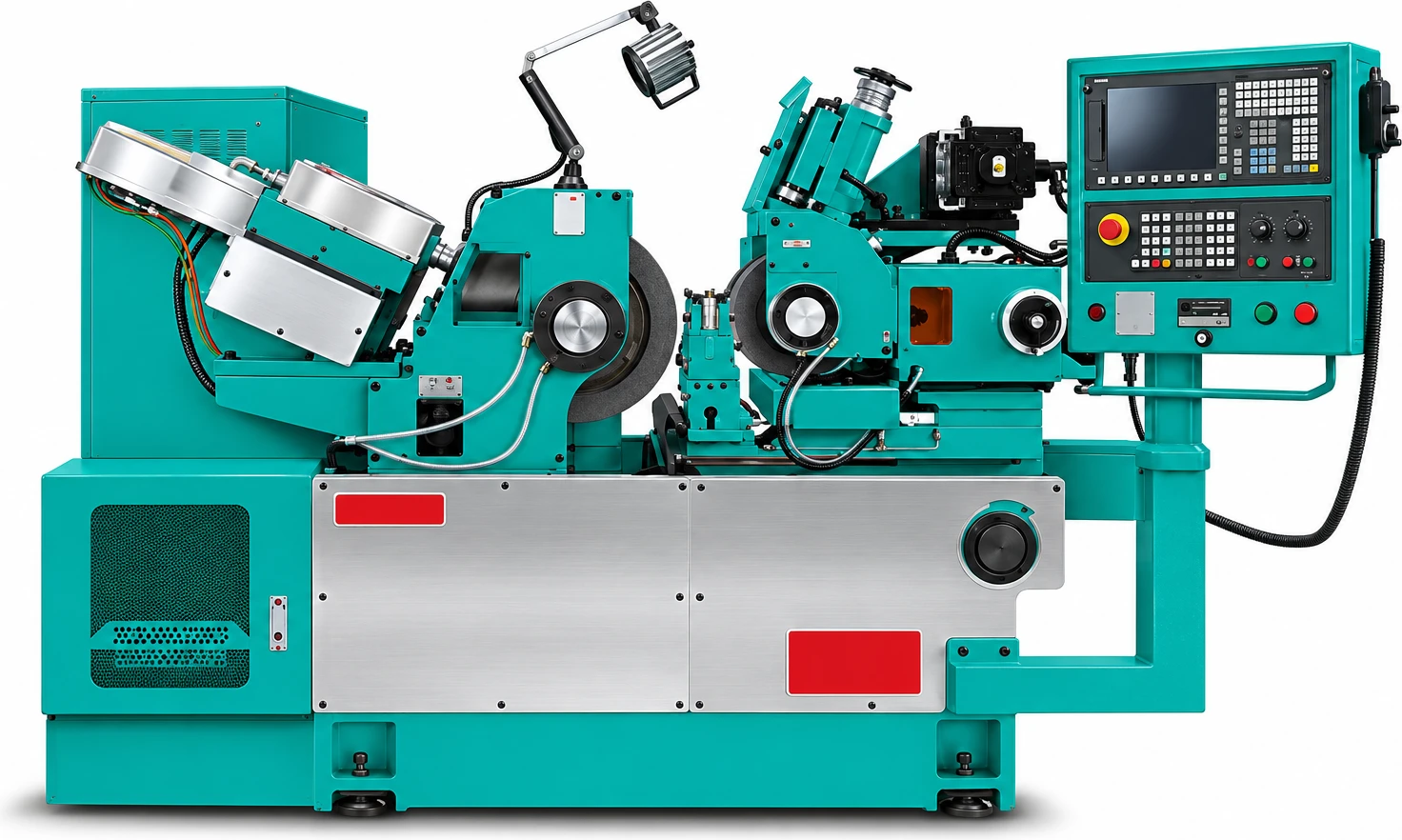
AI-recreated equipment illustration · not an installed-machine photograph or exact-model evidence
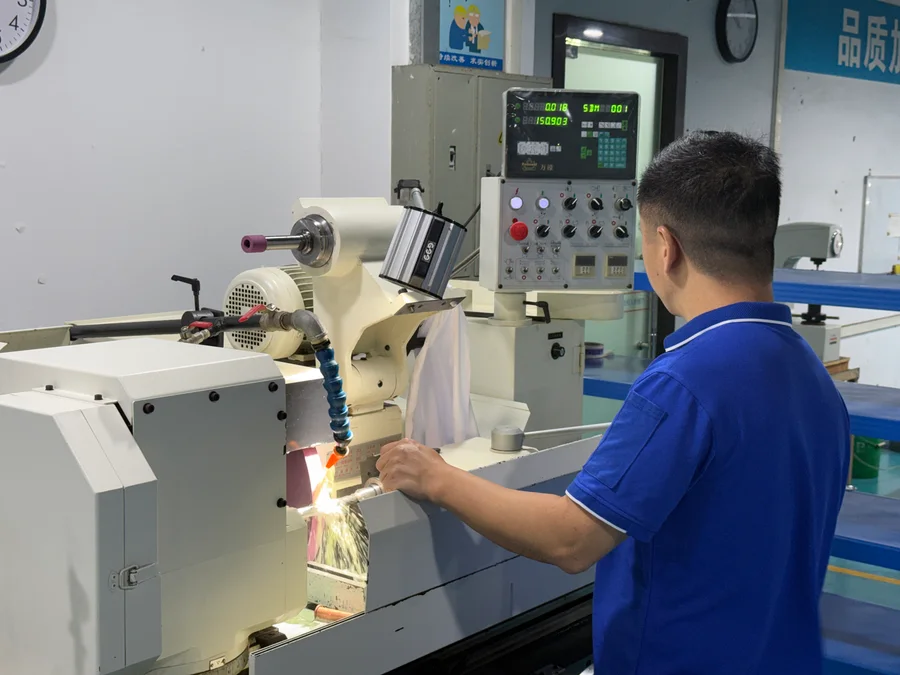
Existing grinding photograph · equipment and operating context
Finish the surface.
Control the relationship.
Surface, cylindrical and internal grinding for fitting faces, diameters and bores. Agree the datum plan, material condition and inspection criteria for the features that determine fit.
Surface grinding OD / ID grinding
04 / GRADE & CONDITION
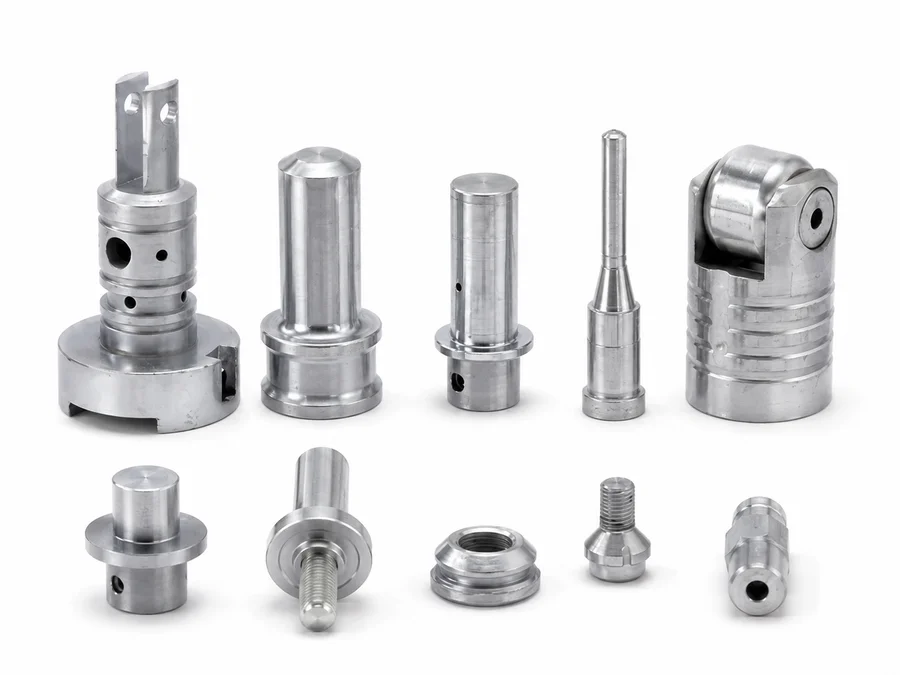
Component reference · material grade confirmed from specification
Your specified material.
A coordinated treatment route.
Retain your specified grade, brand and source. SENLAN coordinates heat treatment with professional specialist suppliers to meet the agreed material and performance requirements.
How treatment coordination works
How treatment coordination works
1. Confirm the specified material and required condition.
2. Coordinate the treatment scope with professional specialist suppliers.
3. Agree the supplier documents and post-treatment checks.
Specialist coordination—not in-house furnace production.
Specified material Specialist suppliers
More than one critical feature?
We review the processes together.
FOLLOW THE DECISIONS
From your drawing
to inspection records.
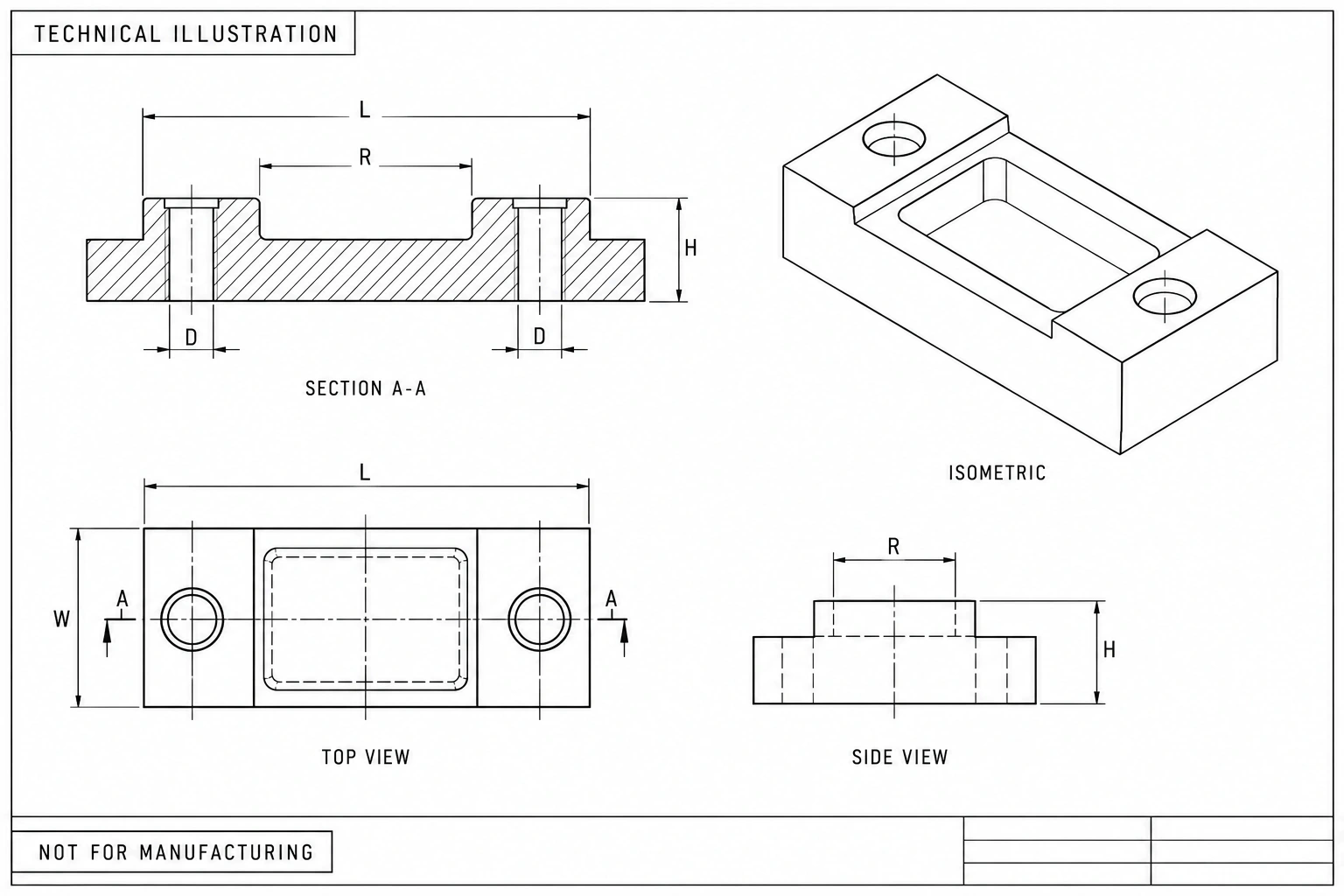
A typical route. We confirm the sequence, critical checks and required records for your component.
01 Drawing Review
Confirm
Revision, material, datums and the features critical to fit.
Process support
Review the 2D drawing and available 3D model.
Record
Drawing review notes and confirmed requirements.
02 Process Planning
Confirm
Sequence, holding, finishing stock and inspection checkpoints.
Process support
Plan machining; coordinate specified heat treatment with specialist suppliers.
Record
Process route, checkpoints and supplier-document requirements.
03 Manufacturing
Confirm
Released revision, setup references and material condition.
Process support
CNC machining, EDM and grinding selected for the feature.
Record
Operation records and specified supplier treatment documents.
04 In-Process Checks
Confirm
Critical dimensions and allowances before the next operation.
Process support
Feature-appropriate checks at the planned checkpoints.
Record
Checkpoint measurements and rechecks where required.
05 Final Inspection
Confirm
Specified dimensions, surface condition and reporting scope.
Process support
Measurement methods matched to geometry and datums.
Record
The agreed inspection report and specified results.
06 Packing
Confirm
Identification, quantity, protection and accompanying documents.
Process support
Clean, separate and secure parts to the agreed requirements.
Record
Packing list and dispatch check; photos when requested.
Drawing and process photographs are independent references, not one order shown in sequence. Inspection and documentation scope is agreed for each component.
MEASUREMENT & DOCUMENTATION
Check the feature.
Keep the record.
The datum, measurement method and reporting scope matter as much as the nominal dimension.
+ Agree the critical features and mating requirements.
+ Match measurement methods to geometry and datums.
+ Confirm the inspection results and documents required.
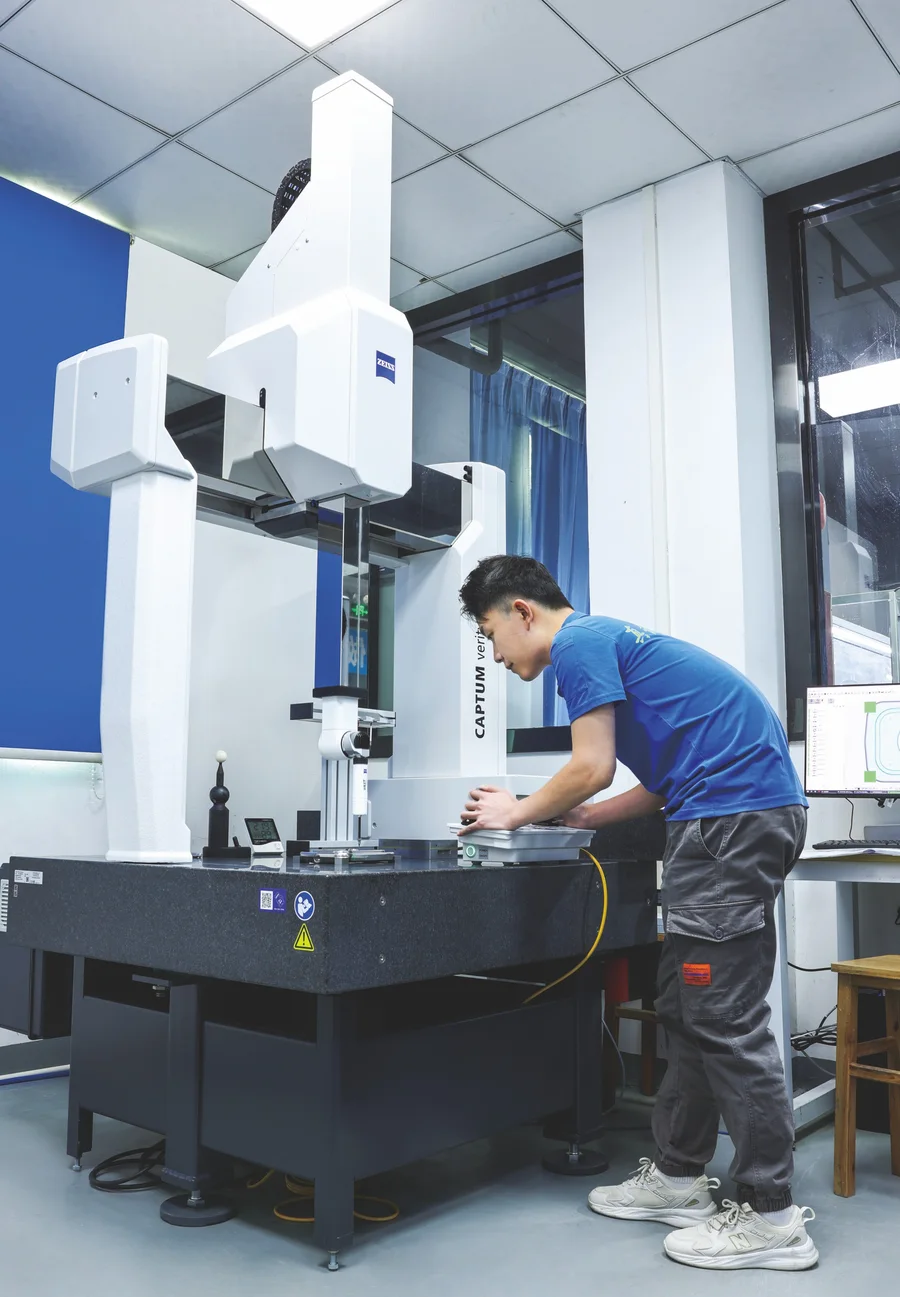
Existing measurement photograph · reporting scope agreed per project
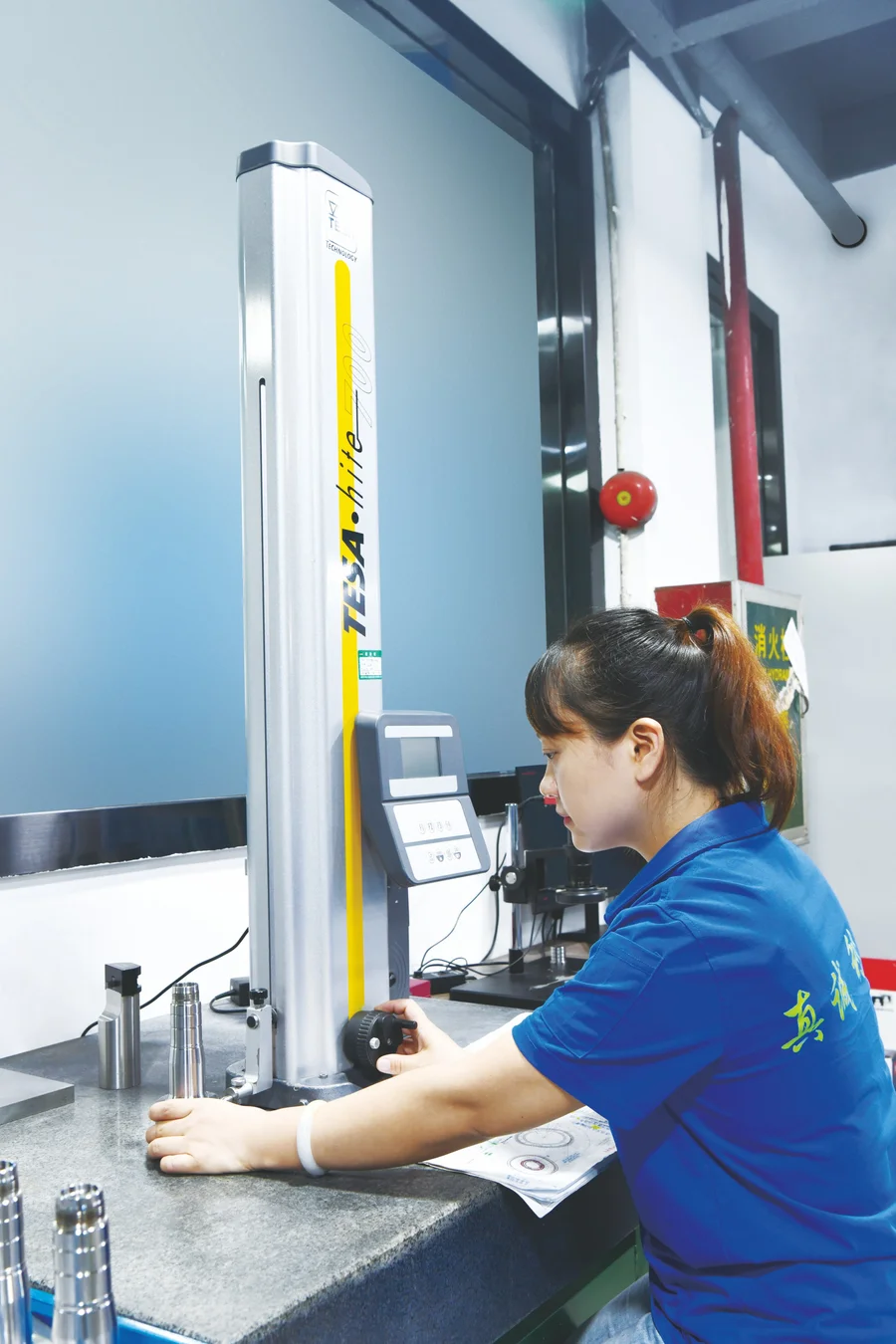
Existing workshop photograph · height measurement
START WITH YOUR COMPONENT
The next critical detail
starts with your drawing.
Share the critical features. We review feasibility, the process route and the quotation scope.
A USEFUL ENQUIRY INCLUDES
01 Drawing & model
Current 2D revision and available 3D data.
02 Material & requirements
Specified grade, condition, fits and surfaces.
03 Quantity, timing & records
Batch size, target date and required inspection documents.
BEFORE YOU ENQUIRE
Good questions.
Clear starting points.
Which machining process does my mold component need?
Which machining process does my mold component need?
Start with the drawing, material condition, mating features and required finish. CNC machining establishes accessible geometry, EDM supports features with different access, and precision grinding finishes specified surfaces and fits. The route is confirmed for the actual component.
Can CNC machining, EDM and grinding be combined?
Can CNC machining, EDM and grinding be combined?
Yes. A component may need several processes. The review connects the datum system, remaining stock and inspection checkpoints so each operation hands over the right condition to the next.
How is heat treatment coordinated?
How is heat treatment coordinated?
Heat treatment is entrusted to professional specialist suppliers. SENLAN coordinates the specified material, required condition and agreed documentation. The Materials & Heat Treatment page explains this relationship.
What should I send for a quotation?
What should I send for a quotation?
Send the current 2D drawing, available 3D model, material and condition, quantity and required date. Highlight critical fits, surface requirements and the inspection records you need. Include mating-part information for replacement components.