MATERIALS & PROCUREMENT
420 Stainless Steel for Mold Inserts: Specify More Than the Grade
A material designation starts the conversation. The named product, condition and surface requirements complete the purchasing brief.
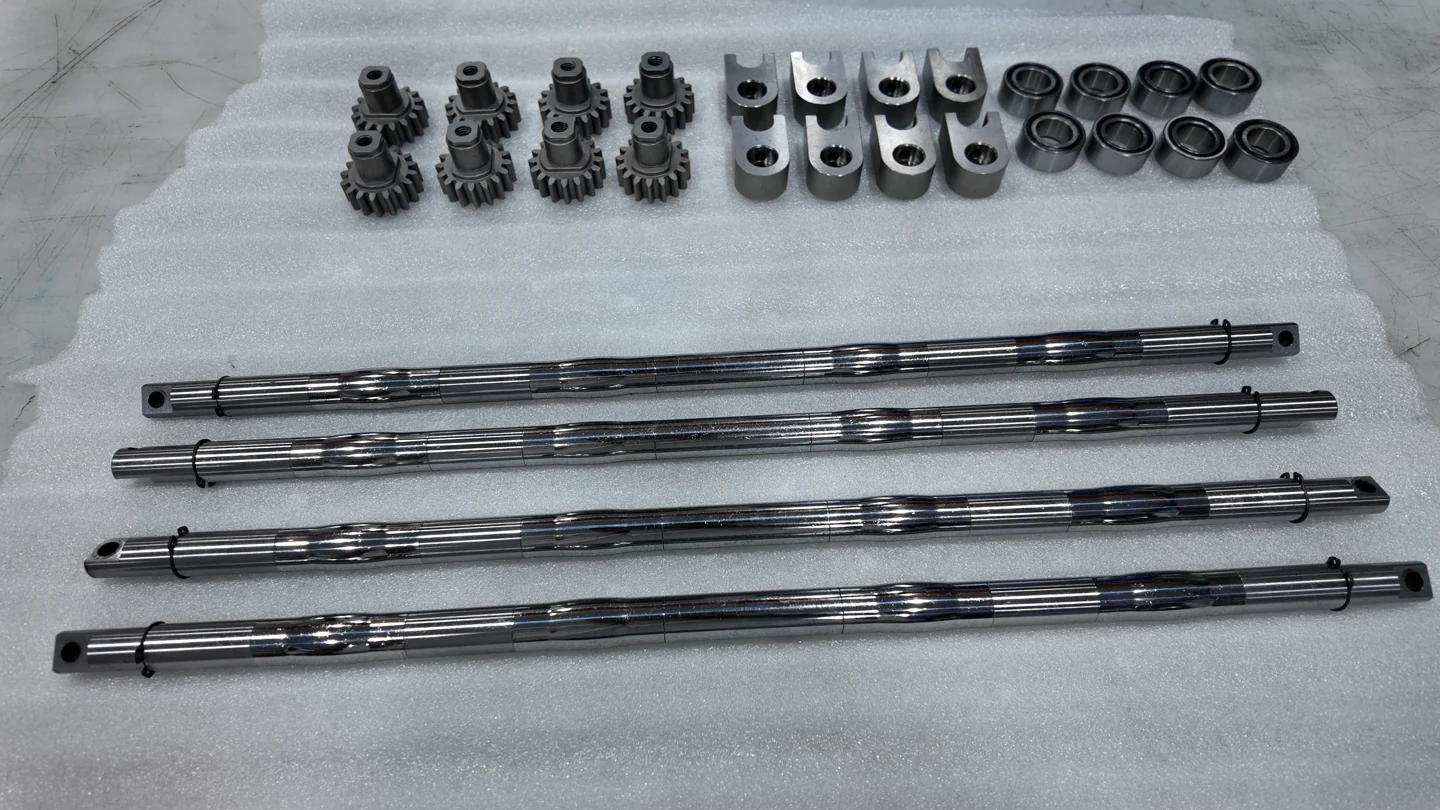
When specifying 420 stainless steel for a mold insert, identify the exact material product, delivery condition and finished requirements. The broad grade family does not, by itself, settle the steelmaker, remelting route, heat treatment, polishability or corrosion exposure that matters to your component.
Start with the function of the insert and SENLAN’s material and heat-treatment requirements. The purchase specification should make clear what is mandatory and which points still need engineering agreement.
Key takeaways
- Name the exact grade, steelmaker and required product condition.
- Treat approximate grade cross-references as a starting point for verification.
- Define the corrosion environment and the finish required on each surface.
- Connect material identity, treatment records and final checks to the ordered component.
Is a 420 designation enough to buy the steel?
A family designation is useful for initial research, but a production order needs a more specific material identity. ASSAB describes STAVAX ESR as an AISI 420 modified product. Its published reference tables place some comparable designations in parentheses, which should not be treated as permission to substitute every material carrying a similar number. Source: ASSAB STAVAX ESR brochure and reference table.
Keep the designation on the drawing intact. If it specifies a named product, ask the supplier to quote that product and source. If the drawing uses only a generic designation, resolve the required standard and material condition before comparing quotations.
The same discipline applies when a quotation mentions 1.2083, S136 or a trade name alongside 420. Ask what document establishes the proposed material and whether the customer authorizes it. Similar applications or an approximate cross-reference do not establish identical procurement requirements.
Which material condition is being purchased?
Separate the condition of the incoming stock from the requirements of the finished insert. ASSAB’s published STAVAX ESR information distinguishes soft-annealed and prehardened supply conditions. Availability for the selected product and order should be confirmed with the supplier. Source: ASSAB STAVAX ESR product data.
A quotation should state whether it covers stock machining, a fully treated component or an intermediate stage. If hardening is required later, identify who owns that operation and which dimensions and surfaces will be completed afterwards.
Material identity
Exact designation, steelmaker or approved source, product form and any required remelting specification.
Incoming condition
The supplied material condition and the documents required to establish it. Avoid assuming it from a family name.
Finished condition
The specified hardness and other required properties, with the agreed treatment and verification scope.
Finished geometry
Critical dimensions, reference surfaces and finishing operations that must remain controlled after treatment.
What does corrosion resistance need to withstand?
Describe the actual exposure rather than writing only “stainless.” Uddeholm identifies corrosion resistance, polishability and use in small and medium mold inserts and cores among the characteristics of Stavax ESR. Those product properties make it relevant to a material review, but do not establish suitability for every resin, cleaner or water system. Source: Uddeholm Stavax ESR product overview.
For the enquiry, identify the molding material, relevant additives, cleaning method, water-contact surfaces and storage environment. If an existing component has stained or pitted, supply photographs and the known service history. A photograph can locate damage; it cannot identify its chemical cause.
Keep the cavity and cooling circuit requirements distinct. A visible molding surface, an internal passage and an external fitting face may experience different conditions. The material review should address the surfaces that matter to the actual tool.
How do heat treatment and finish affect the decision?
The selected treatment needs to support the required combination of properties. Uddeholm’s Stavax ESR technical brochure relates corrosion resistance to tempering condition and surface finish. It also gives grade-specific treatment guidance, so a generic 420 heat-treatment recipe should not replace the selected product’s instructions. Source: Uddeholm Stavax ESR technical brochure.
Specify the required final condition and have the responsible specialist determine a suitable process for the component. Do not copy a brochure’s test-piece values into a blanket guarantee for a different size, shape or treatment route.
SENLAN’s current material page states that specialist suppliers perform heat treatment and SENLAN rechecks hardness and critical dimensions afterwards. Your enquiry should identify the records and inspection scope needed for your order. For a different material comparison, the existing P20 versus H13 guide addresses a separate selection question.
What should “high polish” mean on the drawing?
Define which surface needs which finish and how acceptance will be judged. A steelmaker’s statement that a product has good polishability describes the material; it does not prove that a particular finished insert meets an optical or appearance requirement.
Mark molding faces, sealing regions, shut-offs and fitting surfaces separately. Provide the applicable finish designation or approved comparison reference, and identify any edges or local geometry that must be protected during finishing.
Where a numerical roughness requirement applies, specify the measurement details as well. SENLAN’s surface roughness measurement guide covers the distinction between a parameter value and a complete acceptance requirement.
Which documents answer which purchasing questions?
Request documents by the question they need to answer. Material identity, heat-treatment completion and final part acceptance are separate issues. A document that establishes one should not silently stand in for the others.
- Material-source record: which specified material was supplied, and how is it linked to the order?
- Material certificate, when required: which batch-specific characteristics are recorded, and do they meet the specified document scope?
- Treatment record: what agreed treatment was performed for the identified parts?
- Final inspection: which required hardness, dimensions and surfaces were checked on the finished component?
Compare quotations on the same scope
One quote may describe a named steel product and finished-component checks. Another may state only “420” and machining. Before comparing price, ask both suppliers to confirm material identity, delivery condition, treatment scope and acceptance records.
This is a purchasing example, not a claim about a particular supplier. Resolve any proposed material change in writing before manufacture.
A practical material brief for a mold insert
Send the drawing together with the named material requirement, allowed sourcing conditions and required final properties. Add the molding environment, finish zones and the inspection documents needed at delivery. Identify unresolved items explicitly so that the quotation can address them.
For precision mold inserts, the geometry and material brief should travel together. A thin feature, a polished cavity and a critical locating fit may each affect how the component is made and checked.
Review the specified steel with the component
Send SENLAN the drawing, exact grade or trade name, required hardness and working-surface details. Include any required steelmaker or source and the documents your receiving team needs.